
Understanding holiday let tax reliefs and allowances
Holiday let owners in the UK can benefit from several tax reliefs, including the trading income allowance, capital allowances on furnishings, and mortgage interest deductions. Understanding what you can claim makes a real difference to your net income.
Tax is one of those topics that many holiday let owners prefer not to think about. But understanding the reliefs and allowances available to you can significantly improve your bottom line, and help you avoid paying more than you need to.
This is not a substitute for professional tax advice, but it is a practical overview of the main reliefs that apply to holiday let owners in England and Wales. For a broader view of all the financial considerations, see our guide to the costs of running a holiday let.

Furnished Holiday Lettings (FHL) status
If your property qualifies as a Furnished Holiday Letting under HMRC rules, you can access several valuable tax benefits. To qualify, your property must be:
- Available for commercial letting for at least 210 days per year
- Actually let for at least 105 days per year
- Not let to the same person for more than 31 consecutive days for more than 155 days in the year
Most actively managed holiday lets in popular areas like Cornwall and Devon will meet these thresholds comfortably.
Key tax reliefs for holiday let owners
Capital allowances on furnishings
Unlike buy-to-let landlords, FHL owners can claim capital allowances on furniture, fixtures and equipment. This means you can offset the cost of beds, sofas, kitchen appliances, televisions and other furnishings against your taxable income.
Mortgage interest relief
FHL owners can deduct mortgage interest as a business expense, rather than receiving the restricted 20% tax credit that applies to standard buy-to-let properties. For higher-rate taxpayers, this is a significant benefit.
Trading income allowance
If your gross holiday let income is under £1,000, you can use the trading income allowance instead of deducting actual expenses. For most active holiday lets this will not apply, but it is worth knowing about if you are just starting out or letting for part of the year only.
Business rates vs council tax
Holiday lets that meet the availability thresholds can be assessed for business rates instead of council tax. Many qualify for Small Business Rate Relief, which can reduce the bill to zero. This alone can save owners several hundred pounds a year.
Allowable expenses
Beyond the specific reliefs above, you can deduct a wide range of running costs from your taxable income:
- Cleaning and changeover costs
- Insurance premiums
- Utility bills
- Maintenance and repairs
- Marketing and listing fees
- Management or co-hosting fees
- Professional services (accountant, solicitor)
- Travel to the property for management purposes
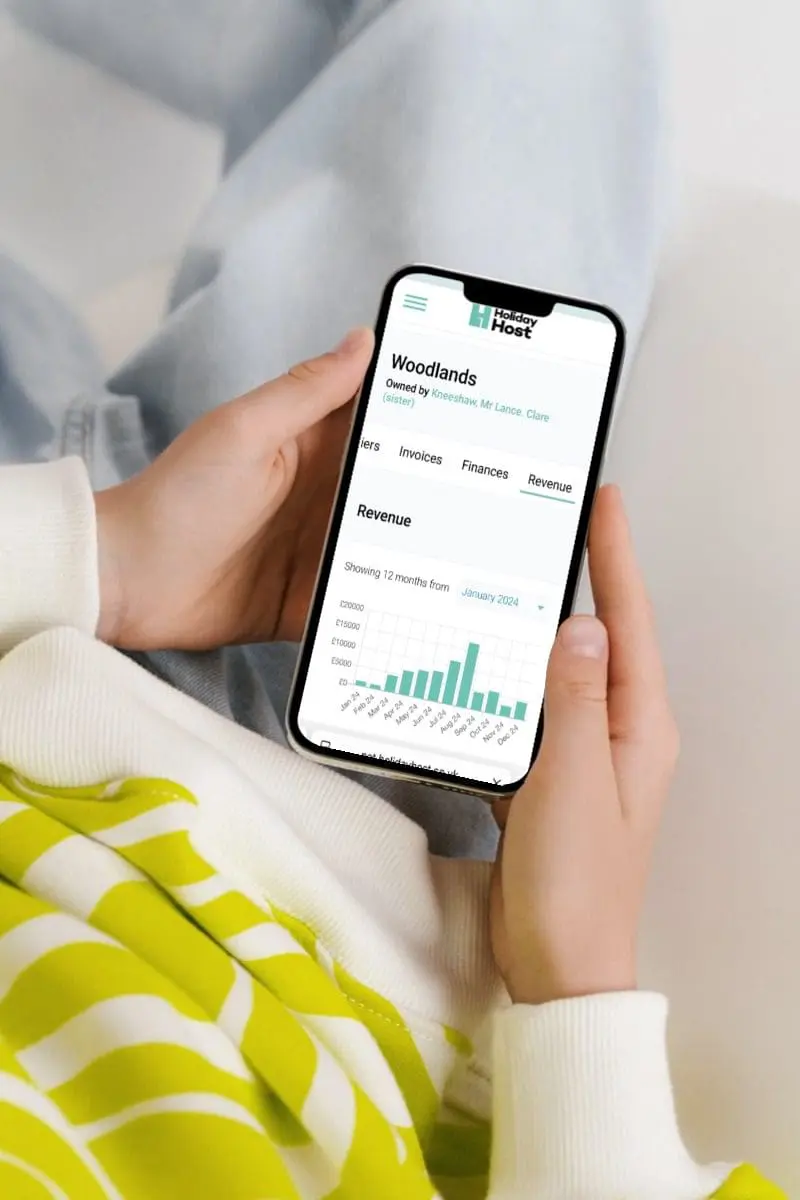
Keeping clear records of all expenses throughout the year makes tax season much simpler. Our owner app helps with this by providing transparent income and payout tracking.

Get professional advice early
Tax rules change, and your specific circumstances will affect what you can claim. We always recommend working with an accountant who has experience with holiday lettings. The upfront cost of good advice almost always pays for itself.
For more on the financial side of holiday letting, see our guide on tax on holiday home income.