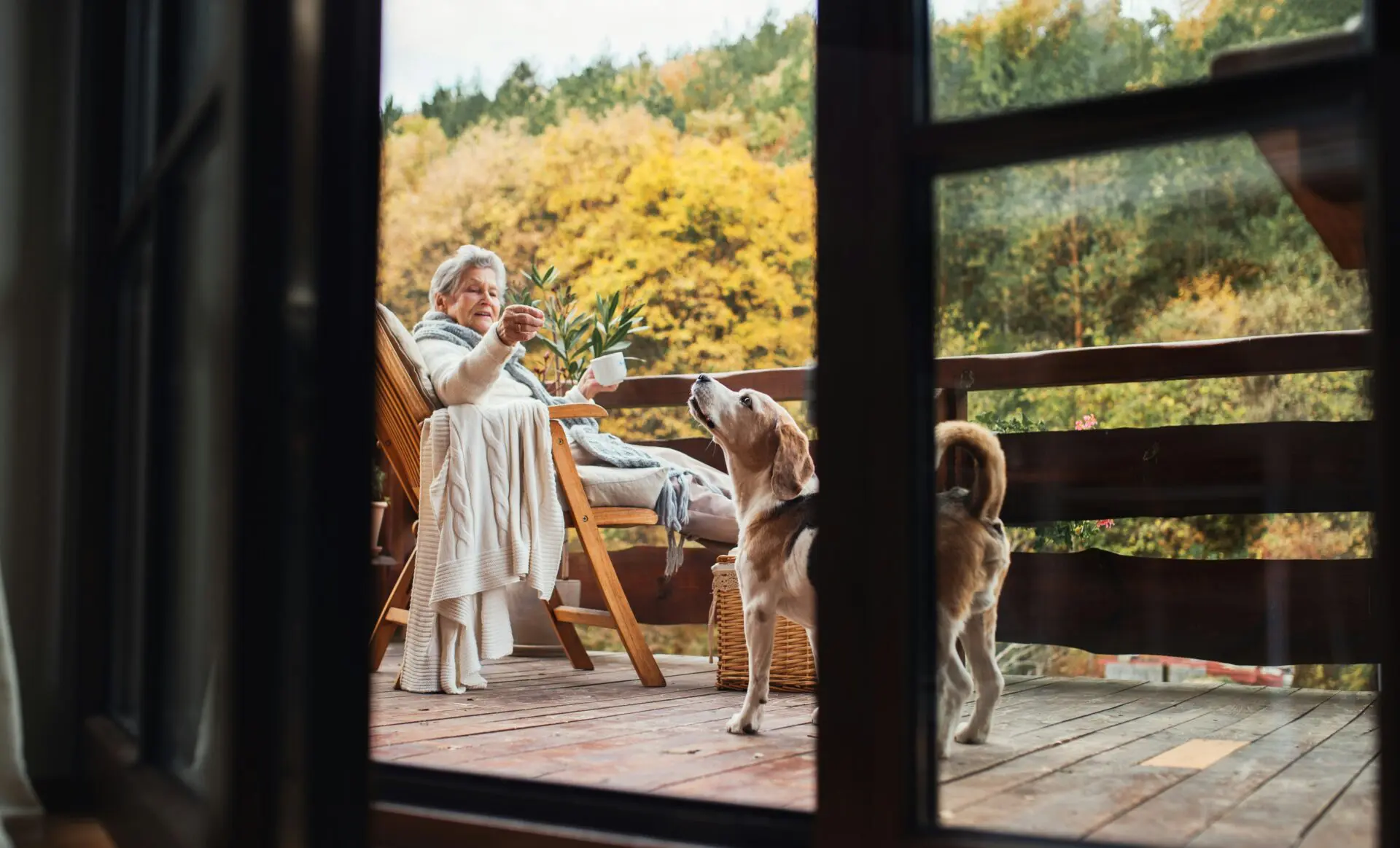
Should you allow dogs in your holiday let? A 2025 guide
Pet friendly holiday lets almost always attract stronger demand, especially in rural and coastal regions like Cornwall and Devon. Research from organisations such as Key Data Dashboard, Mintel and several UK cottage operators shows higher occupancy, better shoulder season performance and stronger year round appeal for pet friendly properties. If your holiday let is by the coast or in the countryside, the benefits can be significant.
If you own a holiday home in Cornwall or Devon, you are probably familiar with one of the most common booking questions:
“We love your place. Would you consider allowing dogs?”
It is a familiar crossroads for owners. Part of you wants to welcome as many guests as possible. Another part imagines muddy paws, sandy floors or a rogue nose print on the patio doors.
The truth lies somewhere in between. Dogs do add work, but they also unlock one of the largest and most loyal segments of the UK travel market.
In rural and coastal destinations, pet friendly status can be one of the simplest ways to strengthen the performance of a holiday let.
This guide explores whether going pet friendly is right for your home, using real data rather than guesswork.
What the data says: pet friendly holiday lets perform better
Holiday letting platforms, data analysts and UK agencies all report the same trend.
Higher occupancy
According to Key Data Dashboard, pet friendly short term rentals achieved an adjusted occupancy rate of 54 percent, compared with 48 percent for non pet friendly homes. That six percent gap matters, especially in shoulder season.
Higher nightly rates and revenue per available night
The same dataset found that pet friendly lets achieve higher average daily rates and generate around 24 percent more revenue per available night. This uplift comes from a blend of increased demand and guests being willing to pay a modest premium for dog friendly stays.
Rising UK demand
Research by Mintel shows that more than one in five UK travellers now prioritise pet friendly accommodation when searching for a holiday home. Dog ownership in the UK rose sharply after the COVID period, and the demand for dog friendly stays has continued to grow.
Income uplift noted across UK cottage operators
While uplift varies by property and location:
- Coast and Country notes that dog friendly cottages often earn around 11 percent more annually.
- Bolthole Retreats reports uplifts of 20 to 30 percent for rural and coastal properties.
- Canine Cottages highlight that 61 percent of dog owning holidaymakers prefer traditional holiday cottages.
These numbers are not promises, but they consistently point to one conclusion:
Dog friendly homes attract more guests, more often, at stronger rates.
Why pet friendly works particularly well in Cornwall and Devon
Cornwall and Devon are not just dog friendly destinations. They are places where bringing a dog simply makes sense. The South West offers miles of cliff paths, wild stretches of moorland, sheltered coves, quiet lanes and some of the best coastal walking in Europe. These landscapes naturally attract travellers who want to spend time outdoors, explore on foot and enjoy a slower pace of life.
That lifestyle aligns almost perfectly with dog owners. People who visit Cornwall and Devon tend to plan their days around beaches, trails, pubs, nature and long scenic loops. These are the kind of trips that become even better when guests are able to bring their dogs. Pet friendly properties sit right at the centre of this demand because they remove the biggest barrier dog owners face.
Many guests will only book a property if it accepts pets, and will ignore perfectly good options if they cannot bring their dog. This alone creates a competitive advantage in these regions. When your home is located somewhere inherently welcoming to dogs, your listing becomes part of the holiday experience rather than a compromise.
The majority of HolidayHost homes are rural cottages, coastal properties and larger family houses close to beaches or walking routes. These settings are ideal for pet friendly uplift, especially when combined with thoughtful management and clear standards.
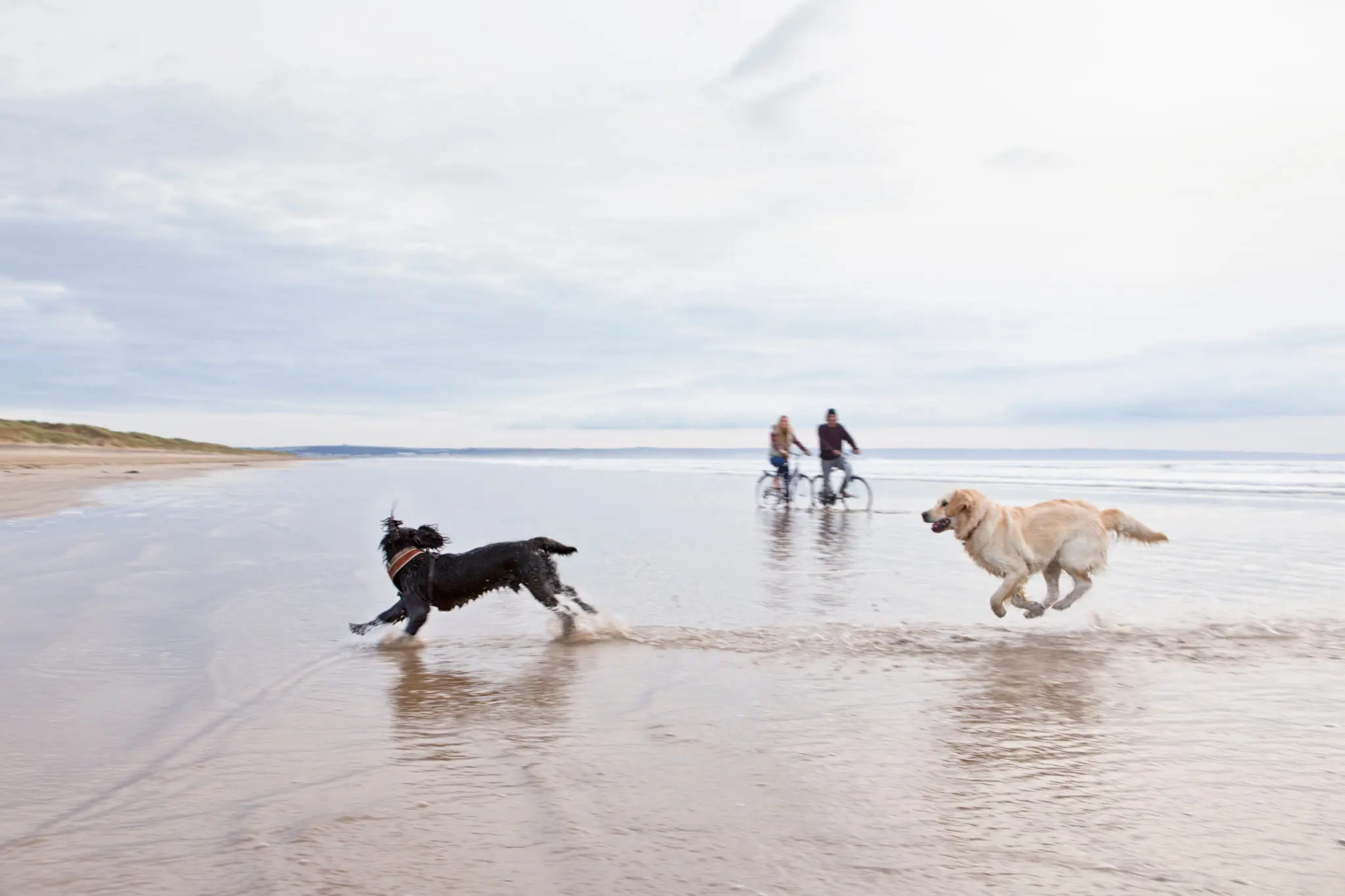
The practical costs: what really changes?
Going pet friendly does mean making space for a little extra maintenance, but the good news is that most of the impact is predictable. In reality, what changes most is the rhythm of cleaning rather than the difficulty. Cleaners may need a little extra time to vacuum more thoroughly, de shed fabric surfaces, wipe down lower-level marks or refresh hard floors.
Wear and tear typically affects softer furnishings first, which is why materials matter. A washable throw, hardwearing rug or textured fabric often prevents the bulk of visible wear. Outdoor checks also become part of the standard turnaround, though in most cases guests with dogs are extremely conscientious, particularly when clear rules are set out at booking and on arrival.
The introduction of a pet fee balances these costs. It means owners are not absorbing the cleaning time themselves and cleaning teams feel supported. Standards remain high and the guest experience improves because the home feels ready rather than hastily adapted. With HolidayHost’s planned pet friendly standard, the guest arrival experience is elevated further without creating extra complexity for owners.
You can read more about how we support property care and maintenance in our overview of co-hosting services.
Risk versus reward: the balanced view
Owners often picture worst case scenarios when considering pets, but in most homes the day-to-day reality is far gentler than expected. Damage can happen, although it is rarely serious and is often easier to resolve than many anticipate. The vast majority of travellers who bring dogs are respectful and experienced. They seek places that genuinely welcome their pets and respond positively to clear etiquette rules.
The reward side is where things get interesting. In coastal and countryside markets, pet friendly status does more than bring in extra bookings. It diversifies the types of stays. Guests travelling with dogs often book outside peak season, take longer breaks and choose rural or coastal homes specifically because they suit their lifestyle. This leads to steadier revenue across the year, more repeat bookings and a more predictable flow of occupancy.
By weighing both sides calmly, most rural and coastal owners discover that the financial benefits outweigh the risks with room to spare.
With the right structure, pet friendly becomes a strategic decision rather than a compromise.

How to run a pet friendly holiday let without losing quality
Welcoming dogs does not mean compromising the character or comfort of your holiday home. In fact, owners who approach it thoughtfully often find their homes run more smoothly because expectations are clear. When guests understand what is allowed and what is not, they tend to take better care of the property.
A friendly welcome note goes a long way. So does consistency. Cleaning teams know exactly what to check and how to prepare the space. Furnishings are chosen intentionally rather than by default. All of this creates an environment where the home remains stylish and comfortable, while also being practical for guests travelling with dogs.
Good communication also means dogs rarely create surprises. Guests feel informed and confident, and owners feel in control of their standards. When this structure is in place, pet friendly policies become a strength rather than a vulnerability.
1. Set clear rules
Many owners adopt the following standards:
- dogs only
- no dogs left alone in the property
- no dogs on beds or furniture
- guests must maintain outdoor spaces and clear up after their pet
2. Communicate early and kindly
A warm, simple pet welcome note sets expectations and makes guests feel valued. Rules presented in a calm, friendly tone are far more likely to be followed.
3. Prepare cleaning teams with pet ready checklists
This ensures consistency and protects your property. Cleaning teams know exactly what is expected when a dog has stayed, which makes turnarounds smoother and standards easier to maintain.
4. Choose durable interior elements
Washable throws, wipeable paint finishes, sturdy rugs and wood or tiled floors add resilience without altering the character of your home. Small design decisions often have a big impact on how pet friendly a property feels behind the scenes.
5. Charge a fair pet fee
A simple pet fee keeps standards high without impacting your net income, and it signals that extra care and time are being invested in maintaining the property for every guest.
Location matters: where pet friendly thrives
The type of property you own has a big influence on whether pet friendly status is worthwhile. Rural cottages with gardens or access to walking paths naturally lend themselves to dog friendly travel. The same is true of coastal homes a short walk from dog friendly beaches or harbourside routes. These settings feel effortless for dogs and their owners, which makes them particularly appealing.
Large family homes also benefit strongly. Multi-generational trips increasingly involve one or two dogs, and families often struggle to find high-quality properties that allow pets. By saying yes to well behaved dogs, owners open the door to a market that is both appreciative and loyal.
In contrast, certain properties are less suited to pets. Luxury apartments with delicate interiors or high-end finishes require more protective measures, and homes without outdoor access may find pet friendly logistics trickier. This does not mean pets are impossible, only that the policy needs more thoughtful boundaries.
Seasonal approaches solve many of these concerns. Allowing dogs in autumn and winter can significantly boost income without affecting peak season or personal use of the property. This flexible model often suits owners who want the best of both worlds.
Highly suitable for:
- coastal cottages
- countryside homes
- larger family properties
- properties with outdoor space
- homes near beaches, trails or dog friendly pubs
Less suited to:
- luxury apartments with delicate interiors
- properties used frequently by allergy sensitive family members
- homes without outdoor access
If you are unsure, it can help to discuss your specific property with a local expert. HolidayHost’s co-hosting model is built around tailoring the approach to the home rather than forcing every owner into the same template.
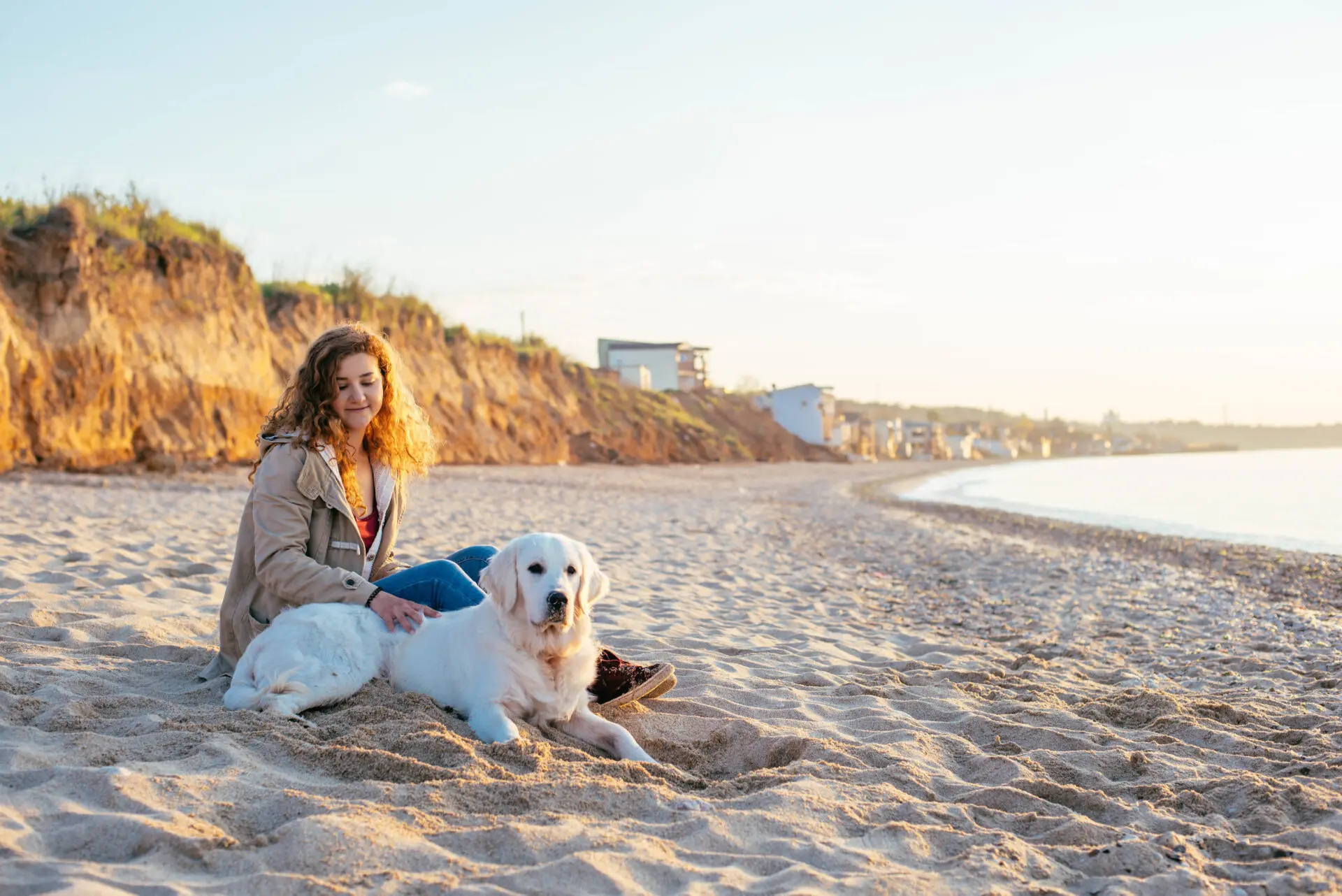
How to decide: a simple owner’s framework
A structured set of questions can help you decide calmly:
- Does my property naturally appeal to walkers and outdoor enthusiasts?
- Would I like more dependable bookings outside the summer peak?
- Can I put clear rules in place that feel comfortable for me?
- Would a small pet fee comfortably cover the operational impact?
- Do I want to welcome a wider, more loyal market segment?
If most of your answers lean towards yes, pet friendly is likely to work extremely well for your property. You can also look at the bigger income picture in our guide on maximising income from your holiday let.
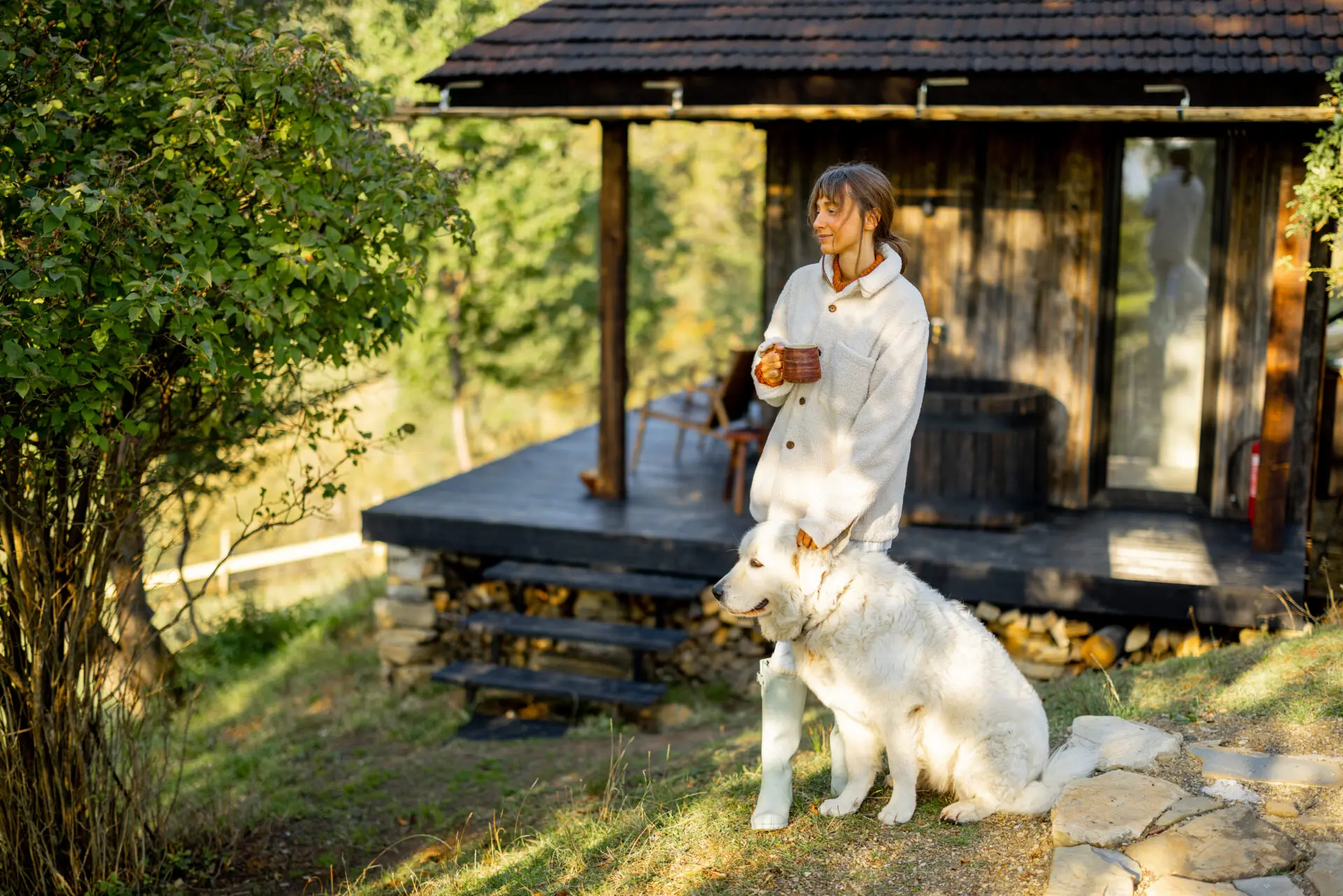
FAQs on making your holiday let dog-friendly
Most owners charge £20 to £40 per stay to cover additional cleaning and checks. The right level depends on property size and cleaning time.
Often yes. Charging per dog keeps the cleaning workload fair and predictable, particularly for larger homes.
Yes. Many owners allow one small or medium dog only. The key is to be clear and consistent in your listing and pre-arrival communication.
Occasionally, but most issues are minor and easily handled through pet fees or insurance. With clear rules in place, serious damage is rare.
Industry data suggests they often do, especially in rural and coastal markets where walking and outdoor life are the main reasons people visit.
Many owners choose seasonal dog policies so they can keep their preferred months pet free while still benefiting from stronger shoulder season bookings.
It is sensible to confirm that your holiday let insurance covers accidental pet damage. Your insurer can advise on any policy adjustments.
There is no direct ranking boost for pet friendly status, but higher occupancy and better reviews often lead to improved visibility over time.
Yes. Many owners trial pet friendly rules for one autumn or winter season before deciding long term. This can be a low risk way to assess the impact.
Some do. A bowl, a treat and a kind welcome note make a big impression without adding significant cost, and they help signal that pets are genuinely welcome.
Clear policies allow you to deduct from the security deposit where appropriate. HolidayHost can also advise on wording and practical steps.
No, but it is often the most profitable choice for rural and coastal homes. The decision should balance your income goals with your comfort as an owner.